


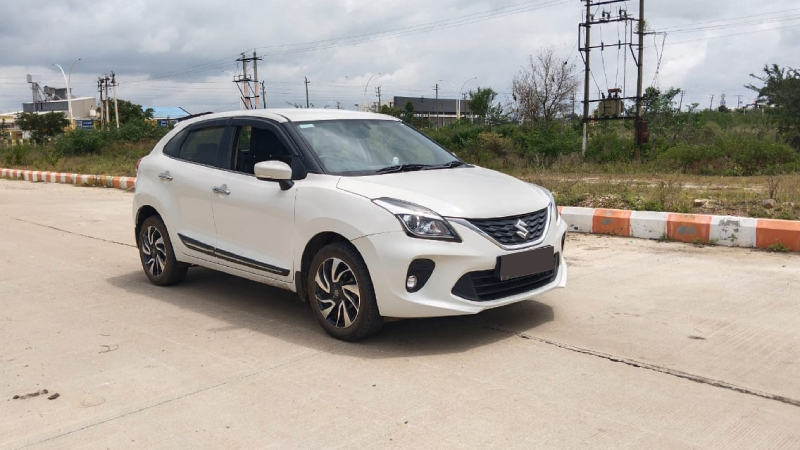
A road trip with friends is more than simply driving from one destination to another. It is about discovering new places, stopping when something catches your attention, enjoying conversations that continue for hours and creating stories that everyone remembers long after the journey is over. Whether you are planning a short weekend escape or a longer holiday through scenic destinations, good preparation can make the entire experience smoother and more enjoyable.
The right vehicle, a practical route, a realistic budget and a little teamwork can completely change the way your journey feels. Instead of rushing between destinations, you can build a flexible travel plan that gives everyone enough time to explore, relax and enjoy the road.
Start With the Destination, Not Just the Distance
Before choosing a car or booking accommodation, decide what kind of experience your group wants. Some friends may prefer mountain roads, while others may want beaches, historic towns, lakes, food stops or quiet countryside locations. Knowing the travel style of your group makes it easier to select destinations that everyone will enjoy.
For a first road trip, a manageable route is often better than trying to cover too many places. A two or three-day journey with carefully selected stops can feel far more relaxing than a packed schedule that leaves everyone tired.
Choose a Car That Matches Your Road Trip
Your choice of vehicle can have a major impact on the comfort of a long drive. Consider the number of passengers, luggage space, expected road conditions, fuel efficiency and the overall distance before making your decision.
For couples or smaller groups, a compact hatchback can be convenient for city driving and highways. Larger groups may prefer a spacious vehicle with additional luggage room. If your route includes long highway stretches, comfort and driving stability should be considered along with fuel economy.
For travellers looking for a practical self drive car rental option, RBTS Car Rental offers several car choices suitable for different types of journeys. Depending on your group size and travel plans, options can include:
- Maruti Baleno 1.2L Delta AGS Ptl – A practical option for comfortable city and highway journeys.
- Maruti Baleno 1.2L Zeta AGS Ptl – Suitable for travellers looking for a comfortable and convenient drive.
- Hyundai I20 Asta MT with Sunroof PTL – A stylish choice for friends who want a comfortable car for weekend drives.
- Maruti Ignis 1.2L Zeta MT Petrol – Compact and convenient for routes involving city streets and regular highway travel.
When comparing self drive cars, do not choose a vehicle only because it looks attractive. Think about how many bags you will carry, how many people will travel and how many hours you expect to spend behind the wheel.
Build a Flexible Road Trip Route
One of the biggest advantages of travelling by car is flexibility. You do not always have to follow a rigid timetable. Plan the important parts of your journey in advance, but leave some space for unexpected discoveries.
Use your route planning to identify fuel stations, food stops, scenic viewpoints, popular attractions and suitable places to stay. If you are travelling through hilly areas, also consider driving time rather than relying only on the distance shown on a map.
A useful approach is to divide your journey into three parts: the main destination, interesting stops along the way and optional places that you can visit if time permits. This keeps the trip organised without making it feel like a strict schedule.
Set a Road Trip Budget Before Leaving
Money can become an uncomfortable topic when several friends are travelling together. Avoid confusion by discussing the expected expenses before the journey begins.
Your road trip budget may include car rental charges, fuel, tolls, parking, accommodation, meals and entry fees. Keep a small additional amount for unexpected expenses such as an extra night, route changes or spontaneous activities.
- Estimate the total fuel requirement.
- Keep track of toll and parking expenses.
- Agree on accommodation preferences before booking.
- Decide how shared expenses will be divided.
- Maintain a small emergency travel fund.
A simple shared expense sheet can make things much easier. One person can record fuel payments, another can manage accommodation, while everyone can settle the final amount at the end of the trip.
Plan Who Will Drive
Long-distance driving can become tiring, particularly when the route includes highways, busy city roads or mountain sections. If more than one person in the group is comfortable and legally permitted to drive the rental vehicle, consider sharing driving responsibilities according to the rental agreement.
Do not treat driving as a competition. Take breaks whenever necessary and avoid driving when tired. A relaxed schedule is always better than reaching the destination quickly at the expense of safety.
Pack Smart Instead of Packing Everything
Overpacking can quickly make a car feel crowded, especially when four or five people are travelling together. Keep luggage practical and choose bags that can be easily placed in the boot.
- Comfortable clothing suitable for the destination.
- Walking shoes for sightseeing and outdoor activities.
- Phone chargers and power banks.
- Basic personal care items.
- Reusable water bottles.
- Necessary travel documents and identification.
- Basic medicines and personal essentials.
- Sunglasses and suitable protection from the weather.
Keep frequently needed items somewhere accessible rather than placing everything deep inside the luggage. This becomes particularly useful when making short stops during the journey.
Download Important Information Before You Start
Mobile connectivity can change when travelling through remote areas. Before starting your road trip, save important maps and route information for offline use. It is also useful to keep accommodation details, booking information and important contact numbers available on your phone.
Do not depend entirely on one navigation application. Having an offline map or a second navigation option can be helpful if network coverage becomes weak.
Make Food Stops Part of the Experience
Food is often one of the best parts of a road trip. Instead of stopping only when everyone becomes hungry, look for interesting local food places along your route. A good breakfast stop, roadside tea break or local lunch can become one of the memorable moments of the journey.
At the same time, avoid planning every meal around popular restaurants. Sometimes a simple local café or a small roadside place can provide a more authentic experience than a heavily planned stop.
Keep Entertainment Ready for Long Drives
Good music can completely change the mood inside the car. Before leaving, create a shared playlist where everyone can add their favourite songs. Podcasts, travel stories and audiobooks can also make longer highway sections more enjoyable.
However, the person driving should always remain focused on the road. Keep conversations comfortable and avoid activities that distract the driver.
Plan Scenic Stops and Small Detours
A road trip should not feel like a race to reach the final destination. Leave room for viewpoints, local markets, historic places, lakes, cafés and scenic stretches that naturally appear along your route.
Some of the best memories can come from an unplanned stop. A beautiful sunset, a quiet roadside viewpoint or an interesting local market may never have been part of your original itinerary, but these moments often become the stories everyone talks about later.
Check the Car Before Starting the Journey
Before beginning a longer self-drive journey, take a few minutes to inspect the vehicle. Check the tyres, fuel level, lights, mirrors and general condition of the car. Make sure you understand the basic controls before leaving the rental location.
It is also sensible to confirm the rental terms, permitted driving areas, fuel policy and documentation requirements. Knowing these details beforehand helps prevent unnecessary confusion during the trip.
Respect the Road and Local Places
Every destination has its own traffic conditions, local customs and environmental concerns. Follow speed limits, use seat belts and park only in permitted areas. When visiting natural attractions, avoid littering and leave the surroundings as clean as you found them.
Responsible driving becomes even more important on mountain roads. Follow road signs, avoid risky overtaking and give yourself plenty of time rather than trying to maintain an aggressive schedule.
Keep Emergency Planning Simple
You do not need to expect problems, but you should be prepared for them. Keep essential documents, a charged phone and basic emergency supplies with you. Make sure everyone knows the broad route and the next planned stop.
If the vehicle develops an issue, move to a safe location whenever possible and contact the rental provider or appropriate roadside assistance service. Staying calm and communicating clearly with your travel group makes unexpected situations much easier to handle.
Give Everyone a Role
A successful group road trip is easier when everyone contributes. One person can manage navigation, another can handle music, someone else can keep track of expenses and another friend can research food or sightseeing stops.
This small division of responsibilities prevents one person from having to organise everything. More importantly, it gives everyone a role in creating the trip.
Capture the Journey, Not Just the Destination
Take photographs and short videos throughout the journey, but do not spend the entire trip behind a camera or phone. Capture the funny conversations, roadside breaks, beautiful views, local food and unexpected moments as well as the major attractions.
Years later, the most valuable memories may not be the photographs from famous landmarks. They may be the small moments inside the car, the wrong turn that became a funny story or the spontaneous stop that nobody expected.
Why Self Drive Makes Group Road Trips More Flexible
For friends who enjoy having control over their schedule, self drive car rental can be a convenient way to explore. You can decide when to leave, where to stop and how long to stay at a particular place without being tied to someone else's daily schedule.
The key is to choose a car that suits the journey and to plan responsibly. A comfortable vehicle, sensible route and good communication between friends can turn an ordinary weekend into an exciting road adventure.

